



When Alan Mulally took over as CEO of Ford in 2006, the company was suffering massive financial losses and was on the verge of bankruptcy due to heavy debt and poor management. But Mulally proved to be a role model leader through his unique leadership style and managed to revive Ford in record time.
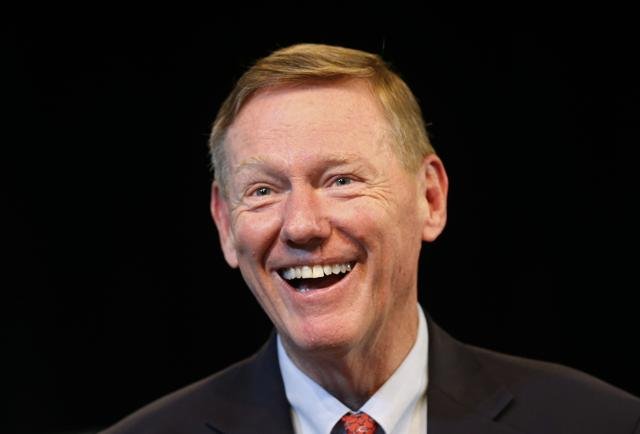
Why is Alan Mulally considered a role model leader?
- Transparency and openness
When he started at Ford, he found that managers were hiding the real problems, which caused the company to slowly collapse. Therefore, he imposed a new system based on honesty and transparency, where he required all managers to share their real issues during the weekly meetings. - Leadership through trust and encouragement
Instead of blaming employees, he encouraged them to acknowledge problems and seek collective solutions. His policy always stated:
“It’s okay to have a problem, but it’s unacceptable to do nothing about it.” - Making bold decisions to save the company
- Instead of requesting a government bailout like other American car manufacturers, Mulally decided to restructure the company on its own without relying on external support.
- He sold off non-core subsidiaries like Jaguar and Land Rover to focus on the core brand “Ford”.
- He focused on reviving Ford cars by investing in design and modern technology.
- Inspiring employees with a sense of unity
Mulally changed the work culture at Ford, making all employees feel like they were part of a single mission to save the company. He initiated weekly meetings with top executives, each session beginning with the phrase:
“We’re all in the same boat, so let’s find solutions together.”
Results and Achievements
• Ford transformed from a company on the brink of bankruptcy to one of the strongest car companies in the world.
• Ford managed to achieve $6 billion in profit after previously losing $17 billion annually.
• Customers and investors regained their trust in the company, which increased Ford’s stock value globally.
How did Alan Mulally raise Ford’s performance?
• In 2006, Ford was on the edge of bankruptcy, but when Alan Mulally became CEO, he brought the company back to profitability within a few years by:
- Setting clear goals for all employees.
- Launching weekly meetings to monitor performance transparently.
- Promoting a culture of openness, where managers were asked to report problems without fear.
- Motivating employees and appreciating their achievements, which boosted enthusiasm and commitment.
In conclusion, Alan Mulally is a great example of a role model leader who turned failure into success through humble leadership, encouragement, and transparency.
A role model leader doesn’t look for excuses, but leads the team with confidence, inspires them, and motivates them to solve problems with a team spirit!
If you enjoyed this story, what was the part that caught your attention the most?
Don’t forget to share your opinion and experience with us…
Wishing you all the best!